The Remarkable Rise and Fall of India’s D2H Era
By Vedant Lakhe · · 366 words
Topics: Tech, Cord Cutting, D2H, DD Free Dish, Digital TV, Direct To Home, Dish TV, Indian Broadcasting
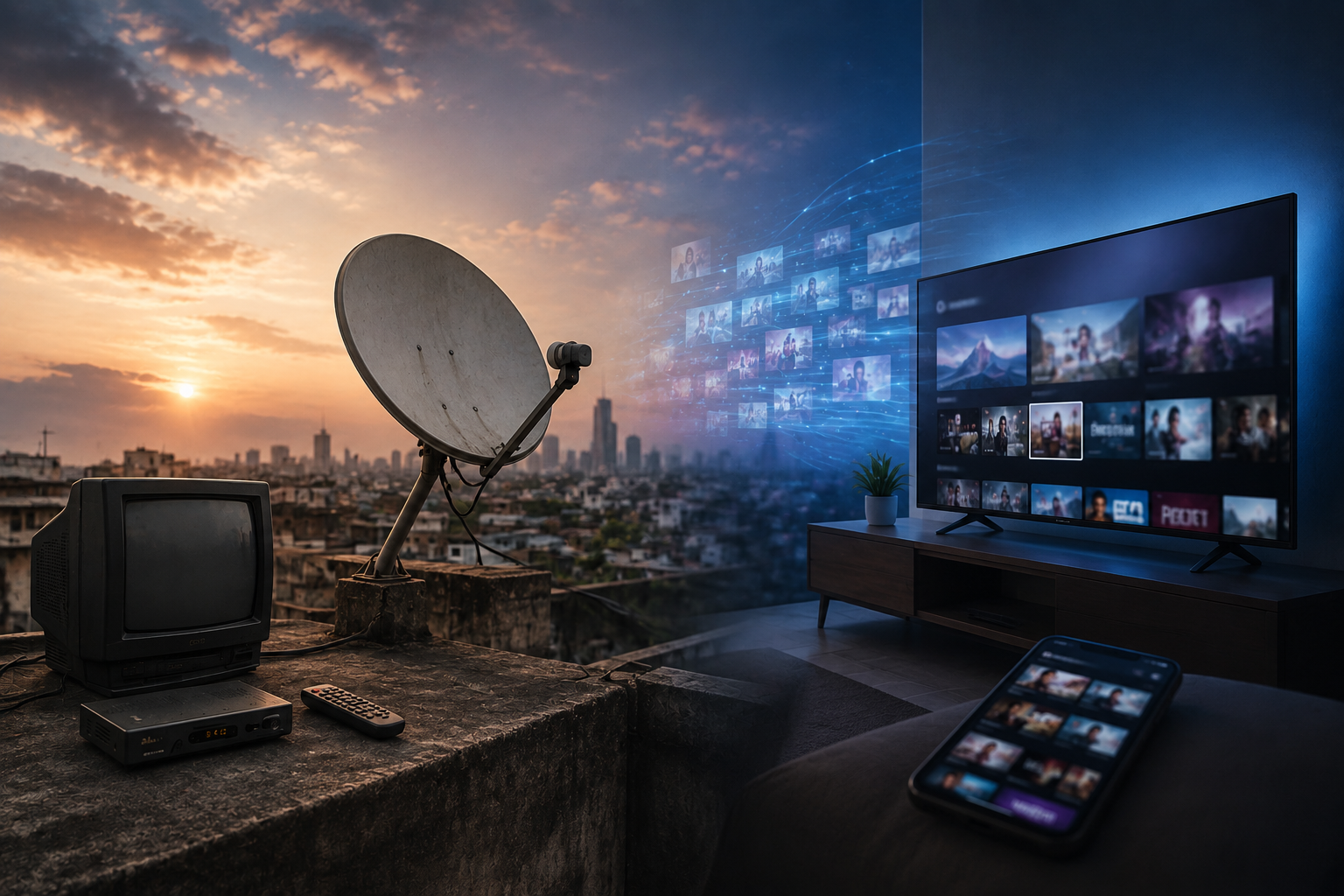
What is D2H?
D2H stands for “Direct-to-Home,” a satellite-based technology that sends television signals to a subscriber’s home, which has a satellite dish.
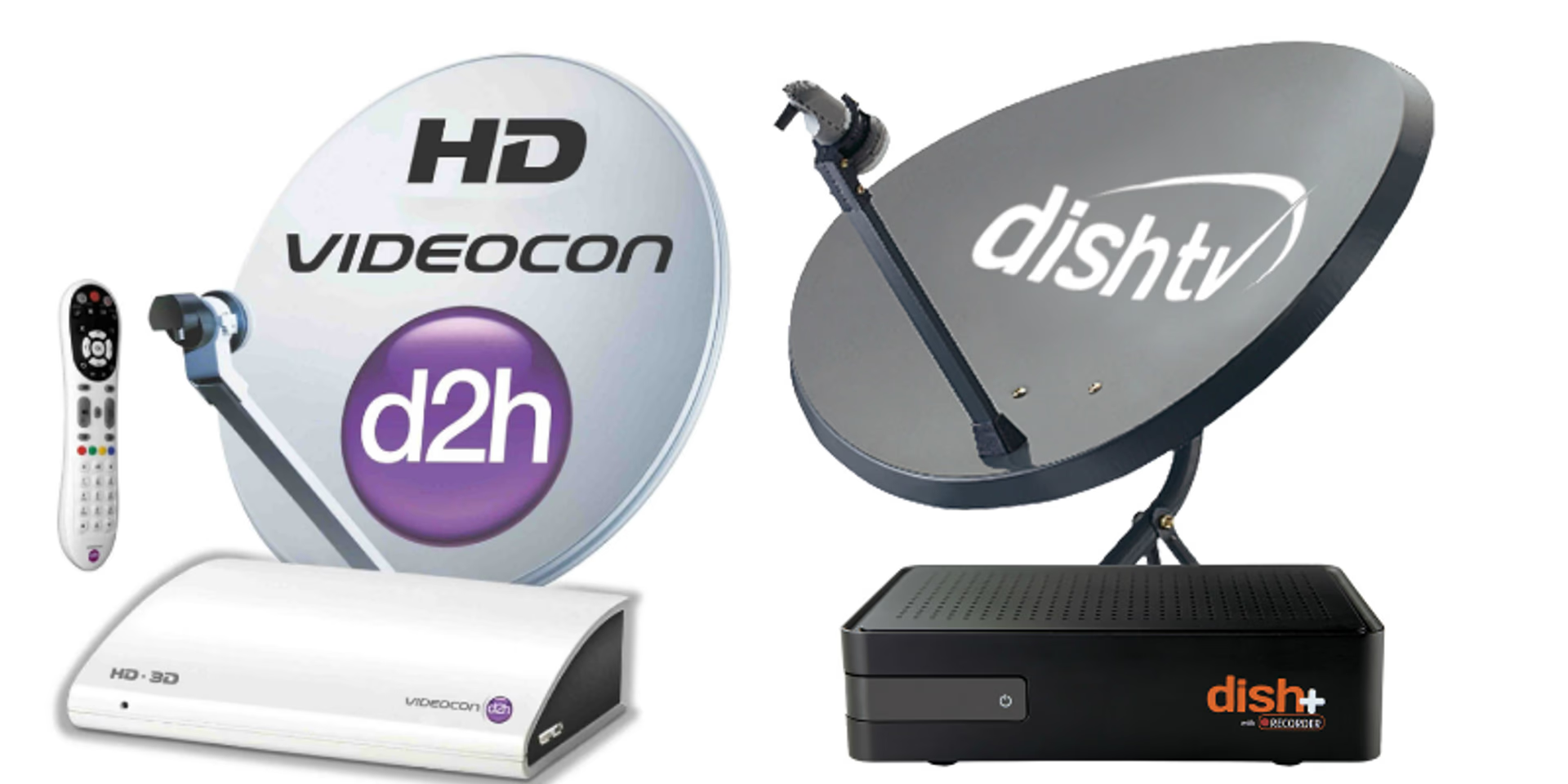
In India, it also refers to Videocon D2H, which is now a part of Dish TV.
The Boom Era of D2H: Digitising Indian Homes
In the mid-2000s, Indian television meant local cable operators, which provided bad signal quality, line cuts, and limited choices for channels.
DTH services— Dish TV, Tata Sky, Airtel Digital TV, and Videocon d2h were starting to profit with their new technology
D2H provided a good experience: crystal-clear picture quality and electronic program guides. Videocon d2h, launched in 2009, became a favourite quickly by offering better set-top boxes, remotes, and recording capabilities.
By the mid-2010s, D2H was in Tier-2, Tier-3, and rural areas. The industry reached a huge subscriber count, peaking at over 7 crore active DTH subscribers.
A merger was done to assert dominance in the market:
This was the 2018 merger between Dish TV and Videocon d2h, creating one of the world’s largest DTH operators by subscriber count.
The Big Change: Disruption on Two Fronts
Just as D2H reached a huge subscriber count, new tech became the reason for its sudden fall:
- Jio launched 4G mobile data at very low prices, making mobile phone entertainment cheap and accessible.
- Streaming services (OTT) like Netflix, Prime Video, Disney+ Hotstar, and YouTube began offering personalised content that traditional satellite schedules couldn’t.
- TRAI’s New Tariff Order (NTO): Regulatory changes to let users pay only for channels they watched, increased payments and losing subscribers
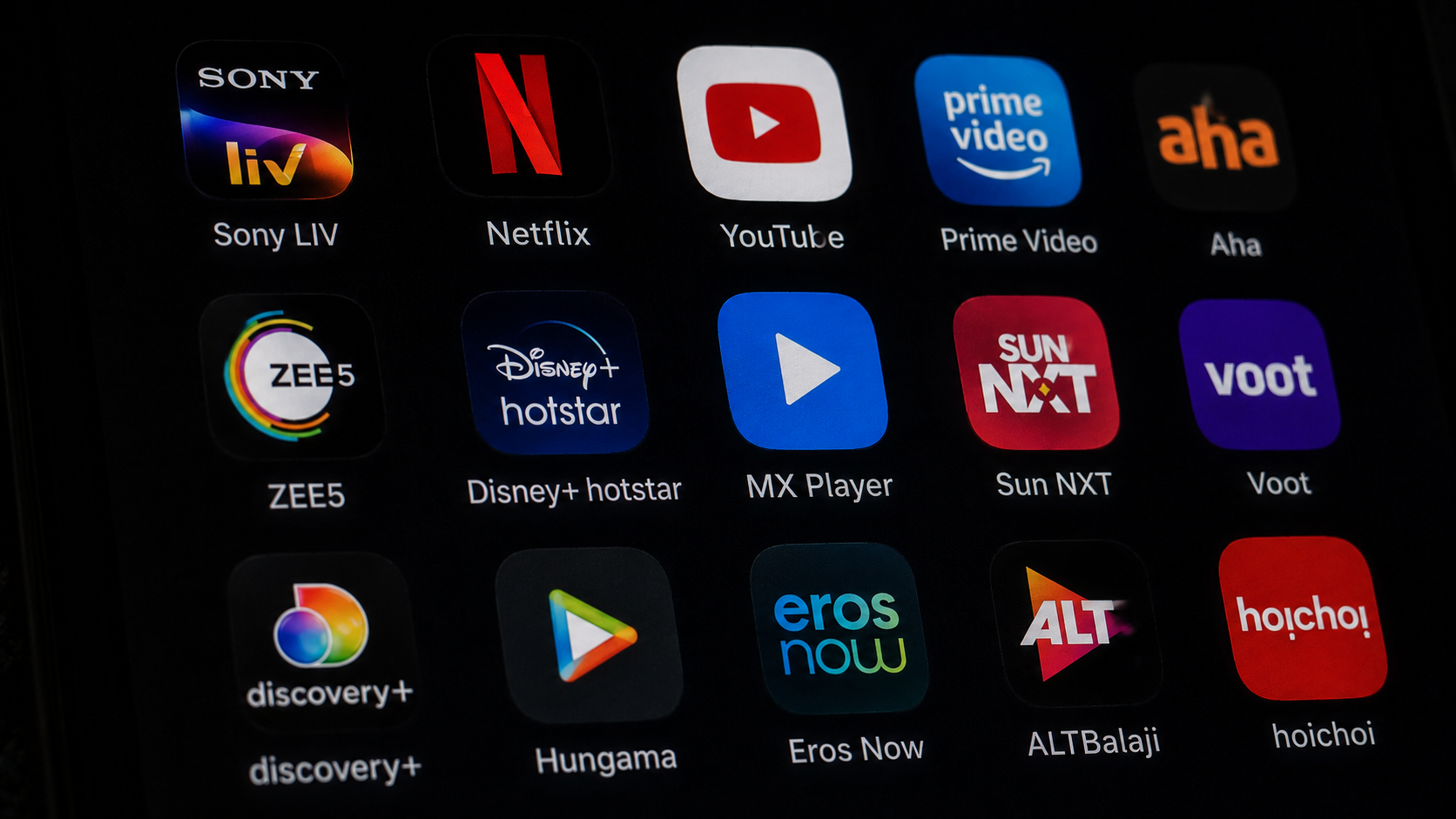
The Fall of D2H and the rise of OTT
Due to the OTT revolution and cost-efficient entertainment, paid DTH subscriptions fell from over 7.2 crore in 2019 to barely 5.1 crore. Revenues fell across all D2H companies.
Today, D2H brands are shifting from simple satellite broadcasters to a digital OTT setup. Modern set-top boxes now come with high-speed Android TVs, bringing TV channels and popular OTT apps together under the same subscription.
While satellite dishes are still used across the nation, the decline of D2H has started. The modern world is dominated by fibre optic cables, 5G networks, and personalised content.