Meta’s New coding agent takes the world by storm
By Swastik Jain · · 629 words
Topics: AI, AI and Creativity, AI Apps, AI Code Generation, AI Coding Tools, AI Developers, AI Development, AI for Students
When I first heard the term “Meta Muse Code” while in a discussion about AI and programming, my first reaction was – how is this possible? However its more of an idea that’s floating right now instead of a proper technology. Developers and students are talking about it as it points where coding will be headed. It’s not a finished product but a prototype.
So what really is it?
From what I have understood, Meta Muse Code is basically merging creativity with generating code so you don’t have to sit down and type out every line of your program by yourself. You just need to explain what you want,t and an AI system tries its best to turn it into something. The first time I used ChatGPT to help me with coding, I didn’t think much of it beyond, “This saves a lot of time”. That’s kind of exactly what this concept is describing: the idea that you can talk to an AI system instead of dealing with errors.
How does it actually work?
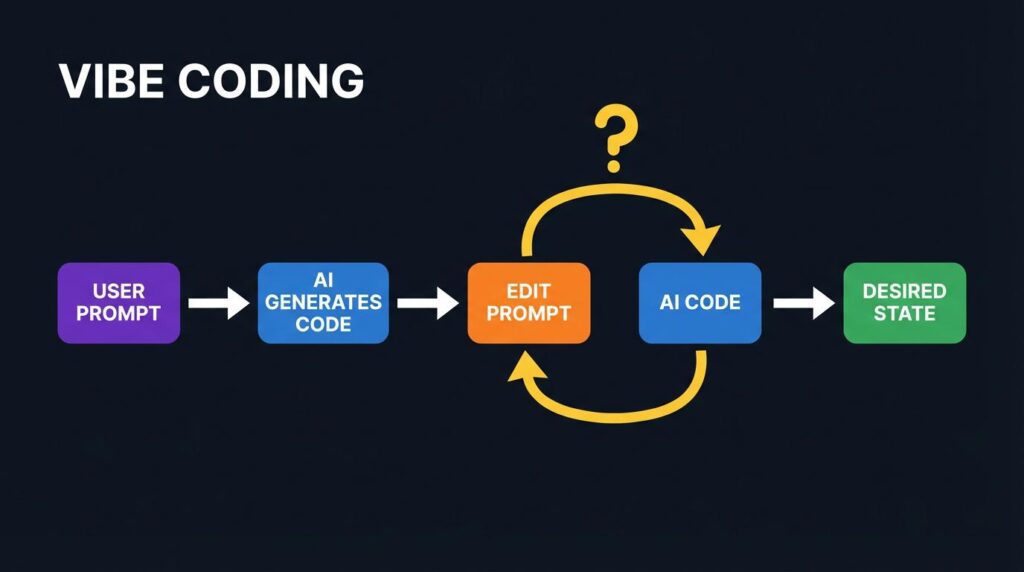
Basically, you tell the system what you want to make, like “build a portfolio website”, and it uses AI models trained on a lot of data to understand what you really mean. It then generates something as close to it as its capability allows it to. It’s not perfect on the first try; you have to make changes to it until it matches what’s in your head. Which, explaining an idea to someone else and having them get it slightly wrong at first, feels almost the same.
Why it’s actually useful
What stands out to me is that you don’t need to be a skilled programmer to start building. A lot of people get discouraged because of coding, man reason being errors. The monotonous code feels like a wall not allowing even the basic workflow to be built, without even getting to the fun part. Tools like Meta Muse could completely flip the table. You start with an idea and an AI system helps you make it. For students especially, this could mean ideating instead of creating. Instead of memorising rules to code, you are allowed to build anything.
It’s not magic after all

I don’t want to make it sound flawless, because it isn’t. The output is right, sometimes misunderstood, or the code has some sort of error because of which it doesn’t run properly, and you need to fix it manually. It’s also only as good as the AI behind it, so if the AI system has biases or a certain tone, those show up in what it creates. That’s an important thing to keep in mind whenever people get overly excited about AI doing everything; it still needs human supervision.
Where I think this is going
There is no doubt in the fact that tools like this are only going to get more capable. Maybe eventually you will be able to describe a full app idea and get something close to a working version, with way less or almost no manual coding involved. That’s exciting, but it also makes me wonder what will happen to learning coding in a few years. Will learning to code mean learning how to write prompts to make the application or how to think clearly to explain the idea to a machine?
Final Thoughts
Meta Muse Code feels like a small preview of a bigger shift, a shift to Vibe Coding, a shift to writing prompts instead of coding, a shift to giving more time to brainstorming than building. It’s still rough around the edges, and it will be the same for some time, but it’s going to change. It’s the kind of thing worth paying attention to because it might change the whole Coding Industry, literally.