How the 2026 FIFA World Cup Uses a New Football With Sensors
By Aarush Yadav · · 558 words
Topics: Tech, Adidas Trionda, Artificial Intelligence, Ball Tracking, Connected Ball Technology, FIFA Technology, FIFA World Cup, FIFA World Cup 2026
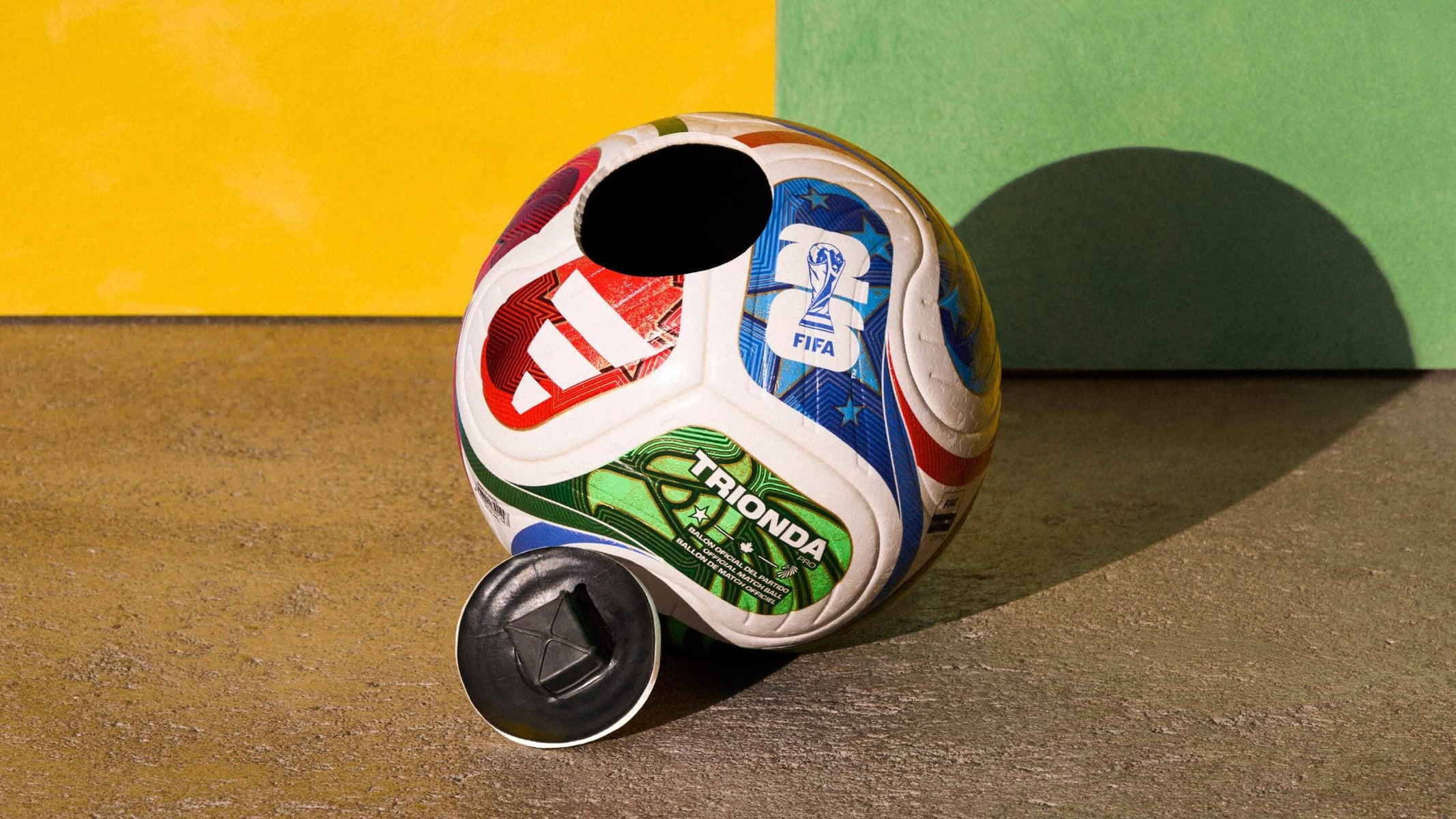
A football isn’t a very complicated piece of technology. It’s just some layers of artificial fibres woven together, and it is kicked around for 90 minutes.
But at the FIFA World Cup, the official match ball did much more than just get kicked around. The Trionda is not a normal football; it has sensors inside that track the ball’s movement in real time.
A Sensor inside a Football?
The Trionda has a small Inertial Measurement Unit (IMU) which operates at around 500 Hz.
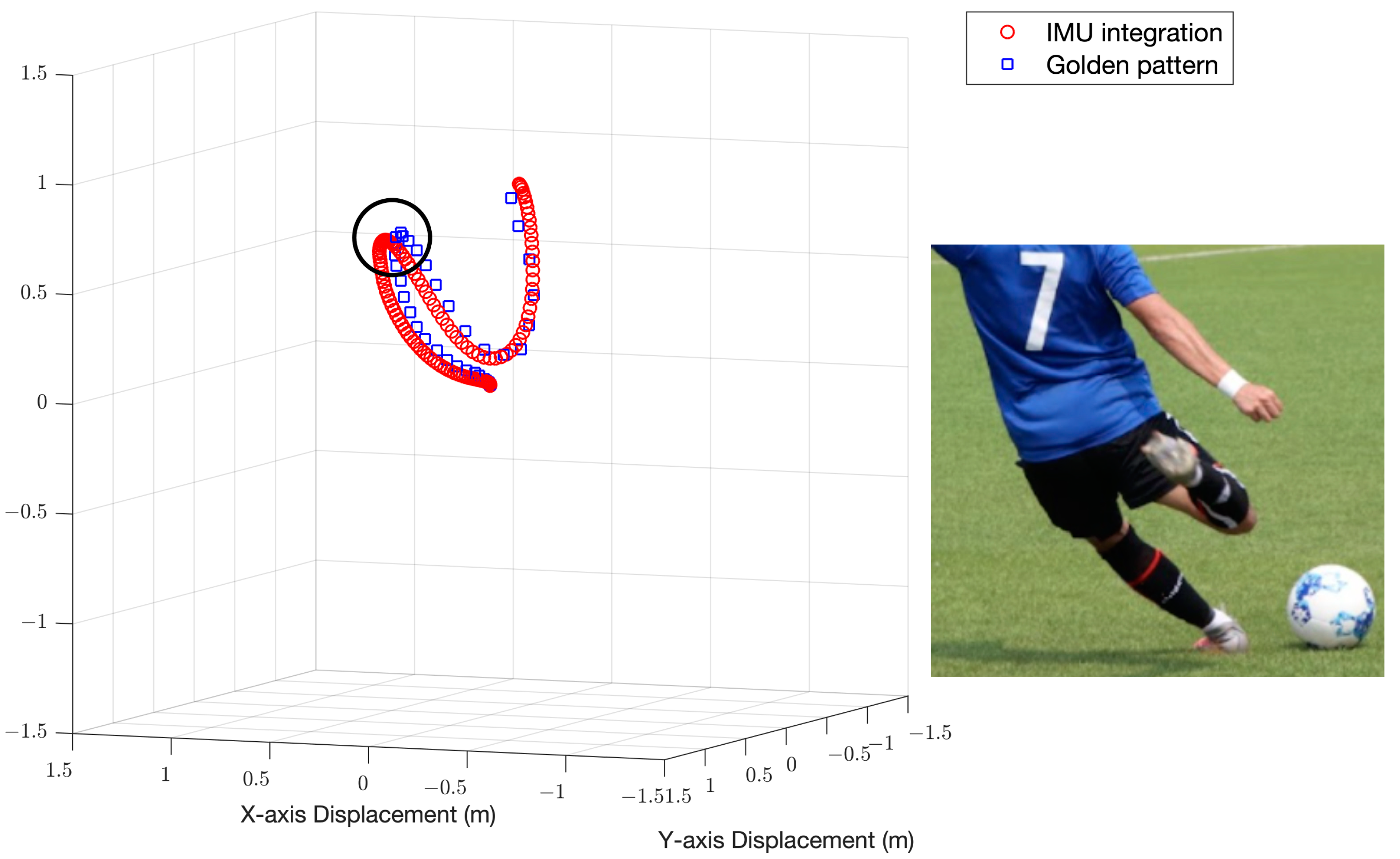
An IMU is able to track the ball’s movement, speed and acceleration in 3 dimensions at all times, and also detects every minor contact made with the ball. And this is done 500 times per second.
This gives the referees highly accurate information, and it does not affect the ball whatsoever because of how light the sensor is, so playing with the ball still feels completely normal.
How does it help Referees?
The biggest use of the ball is detecting when exactly contact was made with the ball, because it matters enormously for offside calls.
If a midfielder sends a through ball to an attacker and the attacker is a few inches away from being offside, you would need the exact moment when the pass was made to see if the attacker was actually offside or not. And the IMU sensor does that precisely.
This, combined with 16 high-end tracking cameras that are following the player and the ball at all times, gives 29 data points for each player, 50 times per second.
More Than Just Referee Calls
The sensors are not useful only for refereeing decisions; they also measure several stats like-
Shot speed
Shot distance
Spin rate
Ball Movement
Time spent dribbling
These stats matter more to broadcasters, fans and analysts. For example, Senegal’s Idrissa Gueye had the fastest shot of the tournament against Iraq, which had a speed of 131.94 km/h, and Cabo Verde’s Kevin Pina scored a goal from a distance of 31 metres against Uruguay.
How Sensors Become Controversial
Adding tech to football doesn’t stop players and fans from arguing about decisions. A good example of this is the Portugal vs Croatia match.
It looked like Croatia scored a crucial equaliser, scored by Josko Gvardiol in extra time, but the goal was ruled out because apparently it was offside.
The connected ball technology detected a very small contact made by Igor Matanovic before the goal was scored. But the contact had in no way affected the play, as it was just a piece of hair that barely touched the ball.
However, the ball also made contact with Portugal’s Renato Veiga before reaching another Croatian player, but it was not considered deliberate, and the offside call stood.
The ball only provides data to the referees; it does not make the decisions.
From Al Rihla to Trionda
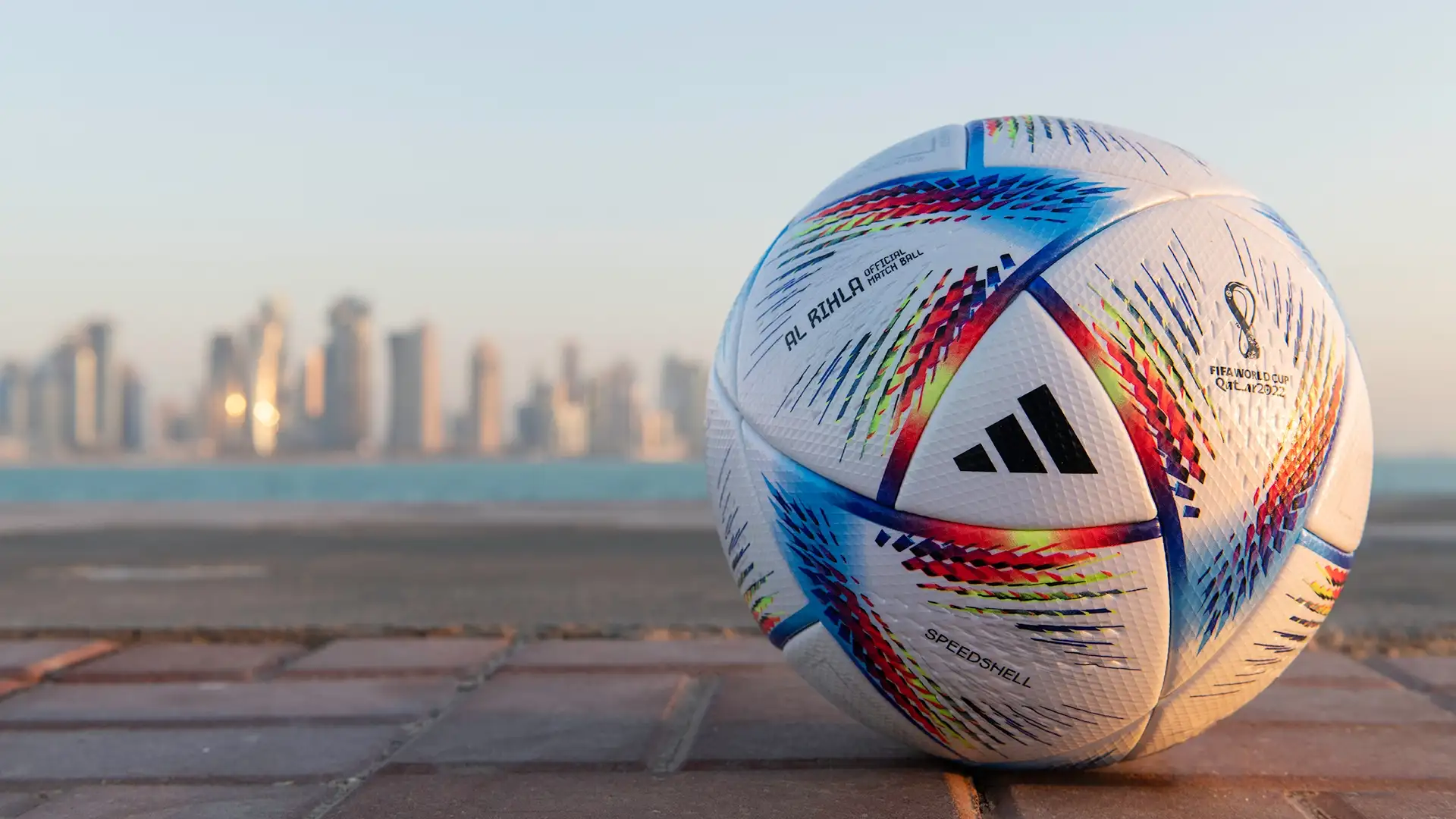
Balls with sensors are not completely new, as their first appearance was at the 2022 Qatar World Cup, but the Trionda represent the next generation of this idea.
The 2026 ball has improved sensor systems and still maintains the balance of a normal football, and that’s how it combines sensor data with player tracking, which helps officials make decisions faster.
The football is no longer just an object in the game; it’s becoming a sensor and the most important source of data on the pitch.