Demystifying the Magic: How CGI and VFX Power Modern Cinema
By Vedant Lakhe · · 462 words
Topics: Tech, #3DAnimation, #3DModeling, #BehindTheScenes, #Cinema, #ComputerGeneratedImagery, #DigitalAssets, #FilmProduction
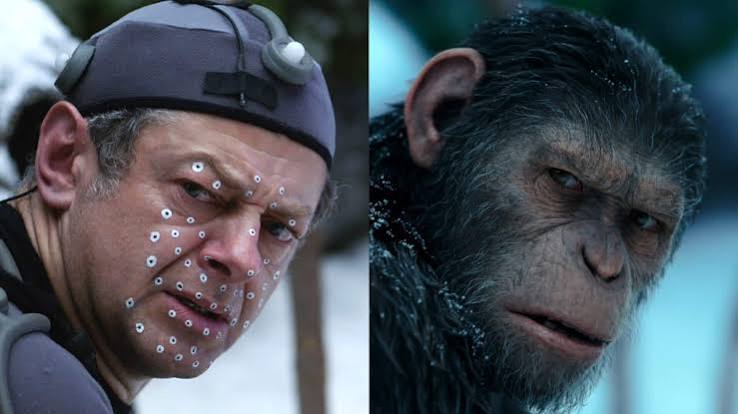
Have you ever wondered how mythical creatures in movies and different alien worlds feel so real in movies. Cinema has changed drastically from practical sets to digital geniuses. The whole crux of this development is being supported by two pillars CGI and VFX.
What are CGI and VFX?
CGI (Computer-Generated Imagery)
CGI stands for Computer-Generated Imagery. It refers specifically to static or animated 3D/2D visual content created entirely within computer software. Instead of using real sets and cameras, CGI artists build digital assets—ranging from mythical creatures to unreal worlds—completely from scratch using specialized 3D modelling programs.

VFX (Visual Effects)
VFX stands for Visual Effects. It is the process of combining live footage captured by a camera with manipulated artificial imaging. VFX integrates digital assets (like CGI), scale models and green-screen videos into real live-action shots to create realistic scenes or impossible scenarios that cannot be captured safely on a physical set.
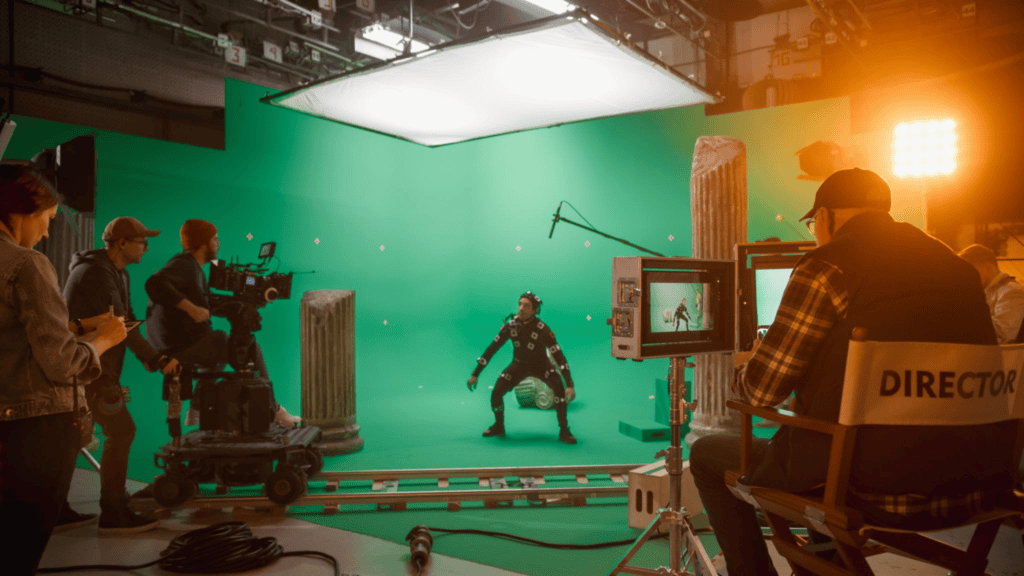
How CGI and VFX Work in Movie Production
Creating movie magic isn’t a piece of cake—it follows a careful, multi-stage production that spans from pre-production to final editing.
1. Pre-Visualization and Concept Design
Before a single camera shot, concept artists imagine and then illustrate how characters and worlds should look. VFX supervisors create low-resolution 3D animations called Pre-vis (Pre-visualization) to plan complex camera moves, stunt sequences, and digital extensions before heading to set.
2. Live-Action Production
During filming, directors capture live actors performing against chroma key backdrops (green or blue screens. If a computer-generated character interacts with human actors, performers wear motion-capture (mocap) suits fitted with tracking markers, allowing cameras to record their movement data in real time.
[ Pre-vis & Design ] ➔ [ Live-Action + Mocap ] ➔ [ 3D Modeling ] ➔ [ Compositing & Lighting ]
3. Digital Asset Creation (The CGI Phase)
This is where the CGI specialists take over:
- Modelling & Rigging: Digital artists develop 3D models using digital tools. They build an internal digital skeleton (“rig”) so the model can bend and flex naturally.
- Texturing & Animation: Artists paint realistic surface details for example, skin pores and clothing fabric and animators move the digital rig frame by frame or overlay performance data captured from real actors.
4. Integration and Rendering (The VFX Phase)
The final stage merges CGI with real footage:
- Match moving: VFX artists track the movements of the physical camera so that CGI objects get in sync with every tilt, pan, and zoom perfectly.
- Lighting & Compositing: Lighting artists match the digital light sources to the actual set’s lighting. Finally, compositors layer the live-action plates, CGI elements, and digital effects (like smoke, fire, and debris) together.
By merging CGI and VFX with camera shots artists create unreal, unimaginable characters, worlds, and effects that make our movie viewing experience unforgettable