Claude Is Now Putting Invisible Watermarks In AI-Generated Text
By Swastik Jain · · 510 words
Topics: AI, AI Detection, AI Ethics, AI Safety, AI Transparency, AI Watermarking, AI-Generated Content, Anthropic
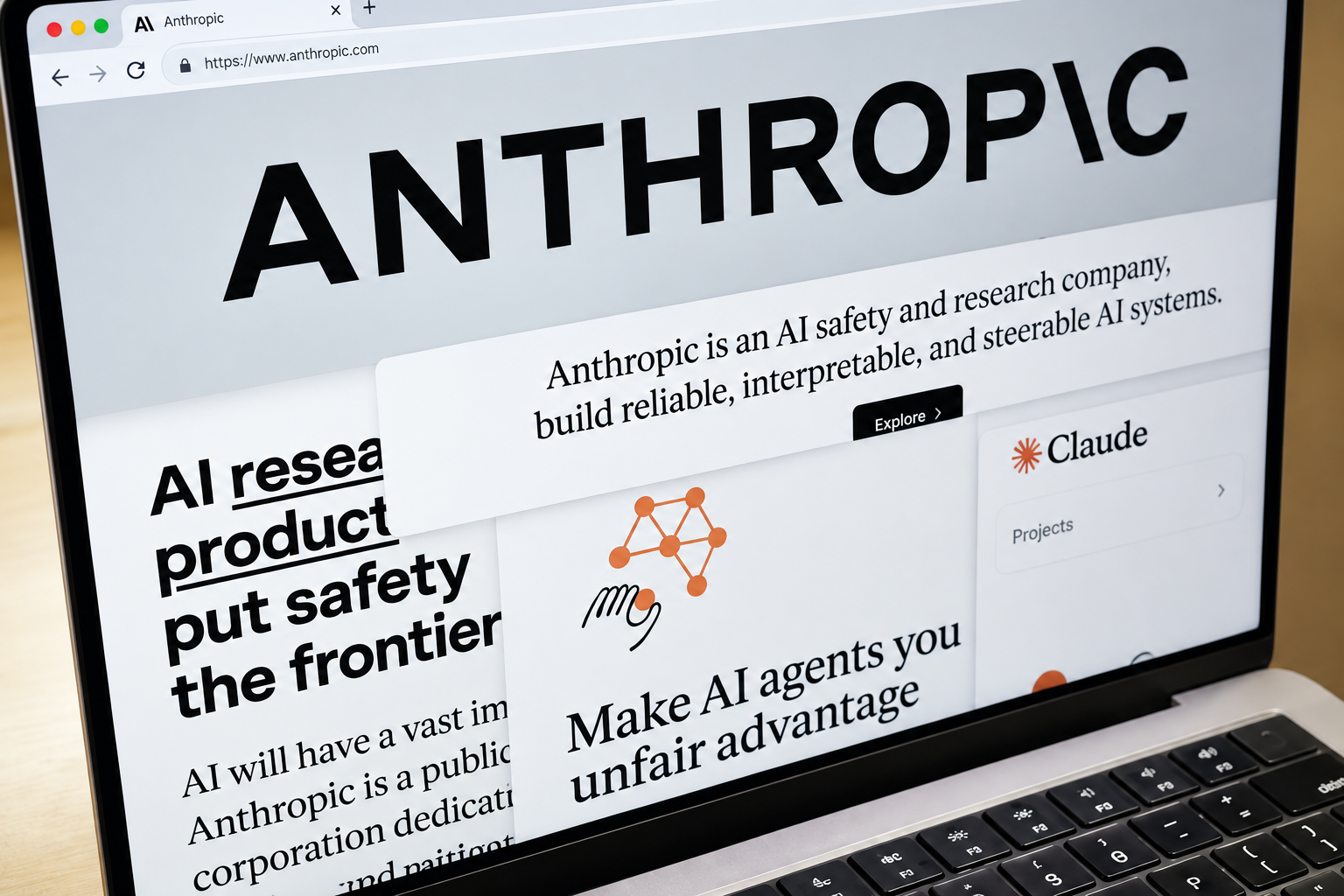
Artificial Intelligence is rapidly changing the way people create and use content. From generating images to generating videos, from writing articles to writing computer code, AI tools are becoming dangerously powerful. However, this rapid growth has led to an avoidable challenge: how can people know if the content they see is created by AI or humans? To address this concern, Anthropic, the parent company of Claude, has recently announced a new approach to watermarking content generated by Claude.
Anthropic is known for focusing on the safe and responsible development of AI models. The idea behind AI watermarking is to identify AI-generated content without significantly affecting its quality or usefulness. Such technology could help people distinguish between human-created and AI-generated content, especially when AI, in today’s world, is becoming more realistic and difficult to identify.
The new watermark approach is particularly important because AI-generated content can be used in many ways. Students may use AI for assignments or homework, businesses may use it for marketing and sales, creators may use it to generate scripts and images. While these uses seem beneficial, AI can also be misused to create misleading information, such as impersonating individuals or spreading manipulated or biased content online.
A watermark can act as a form of digital identification. Unlike a visible logo or label placed directly on the content, some watermarking technologies can embed information in a way that is less noticeable to users while still allowing the originality of the content to be checked. The goal is not to prevent people from using AI, but to improve transparency and make it easier to understand how the content was created.
Anthropic’s announcement reflects a bigger movement within the Artificial Intelligence industry towards content authenticity. As AI tools become more common, companies, researchers, governments, and online platforms are exploring ways to identify natural content and provide users with more information about its origin.
However, watermarking is not a perfect solution. A watermark can be easily removed, altered or changed when the content is edited, copied or transformed. It may also be difficult to create a standard watermark that works across different companies and different types of content. Therefore, watermarking will likely need to work alongside other technologies, policies and ways of verification.
Despite these challenges, Anthropic’s big move represents an important step in the development of responsible usage of Artificial Intelligence and the growing awareness among today’s generation. In the future, transparency will become just as important as the potential of AI-generated content. As tools such as Claude become more powerful, users will need more reliable ways to understand whether what they are reading, watching or listening to is created by a person or an AI model.
Ultimately, AI watermarking could help build greater trust in the digital world. Anthropic’s new initiative highlights the growing importance of authentic and responsible AI usage and may encourage other AI companies to develop similar systems. As AI continues to evolve, transparency and accountability will continue to play a very significant role in ensuring that these powerful technologies are used safely and responsibly.